Inclusive Music Education That Works.
We help music educators and schools create accessible, high-performing music classrooms and ensembles through differentiated instruction, inclusive rehearsal strategies, and practical professional development—so every student can learn, play, and thrive.
About Modulating Minds
At Modulating Minds, we believe every student deserves the chance to make music—and every teacher deserves the tools to make that possible.
We partner with educators, administrators, and student musicians to build inclusive, accessible, and high-performing music classrooms. Our work focuses on helping teachers reach diverse and exceptional learners through differentiated instructional materials, practical professional development, and hands-on coaching.
From rehearsal clinics and resource design to full-scale professional learning programs, Modulating Minds provides real-world strategies for teaching special learners in musical spaces—without sacrificing musical excellence.
The goal is simple: to help schools create music programs where all students, regardless of ability level, can participate fully, learn deeply, and perform proudly.
Who We Help
Music educators are passionate, but they’re overwhelmed — expected to meet every learner’s needs with limited time, training, and support.
Modulating Minds bridges that gap with tools and training built for music classrooms, not adapted to them.
“Inclusive music education isn’t about lowering the bar — it’s about building a stage where every student can stand and play their part.”
Differentiated instructional materials
Inclusive rehearsal and classroom strategies
Professional learning for diverse student needs
Practical plug-and-play strategies for real music educators
Ongoing support for music educators and programs

Planning Period PD
Professional development that actually supports music teachers
Professional development that actually supports music teachers.
Through 10 interactive sessions and a 12-module self-paced course, educators learn how to differentiate instruction, manage diverse rehearsal rooms, and build inclusive classroom systems that last. Everything is designed to fit into a single planning period—no wasted time, just strategies that work.
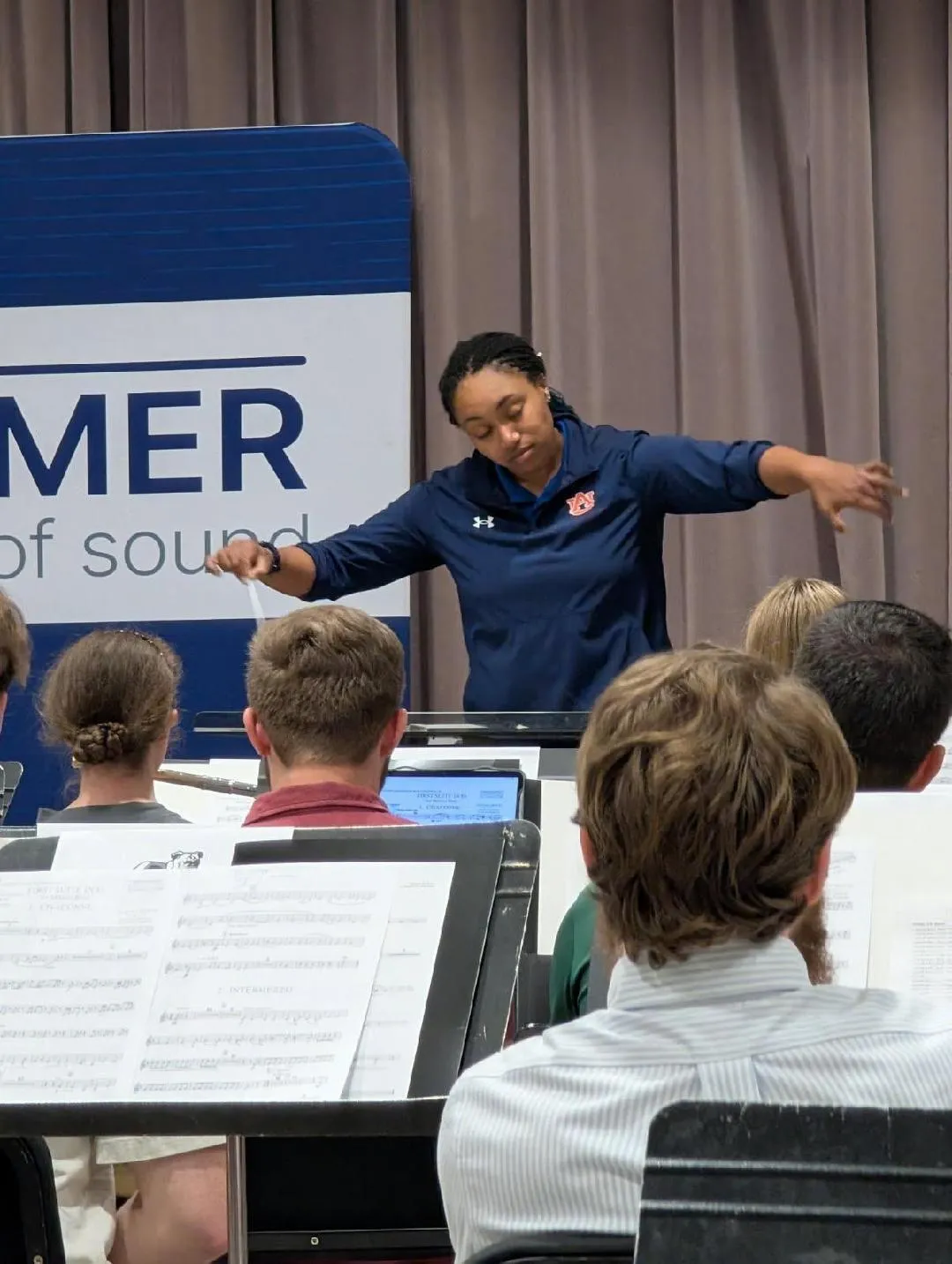
Rehearsal Clinics and Workshops
Hands-on Coaching to strengthen ensemble performance and support teacher development
Hands-on coaching for real classrooms and real results.
Our rehearsal labs and workshops bring evidence-based inclusion practices directly to your ensemble. We help teachers refine tone production, pacing, and student engagement while adapting instruction for every learner—so the music improves and everyone belongs on stage.
Curriculum and Resource Design
Accessible materials aligned to standards and the Universal Design for Learning
Accessible materials built for modern music classrooms.
We create differentiated unit plans, adaptive resources, and performance assessments aligned to UDL and state standards. Whether you need a single inclusive lesson or a full-year framework, we design resources that help every student succeed without watering down the artistry.
Testimonials
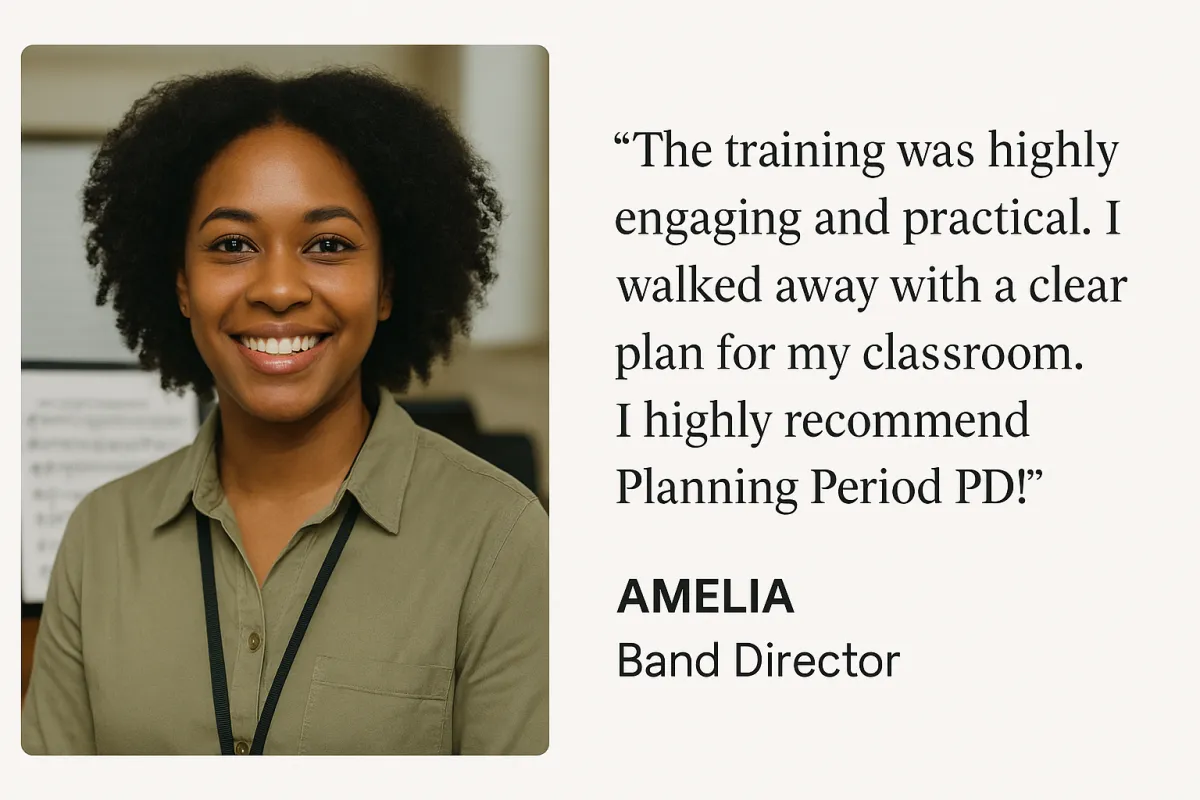

As a first-year teacher, I was feeling very overwhelmed, but her tips for classroom management and organization made such a huge difference. My classroom runs smoother, I feel more confident, and I’m not running on fumes every day. Honestly, I don’t know how I would’ve made it through my first year without her help
— Music Teacher, GA
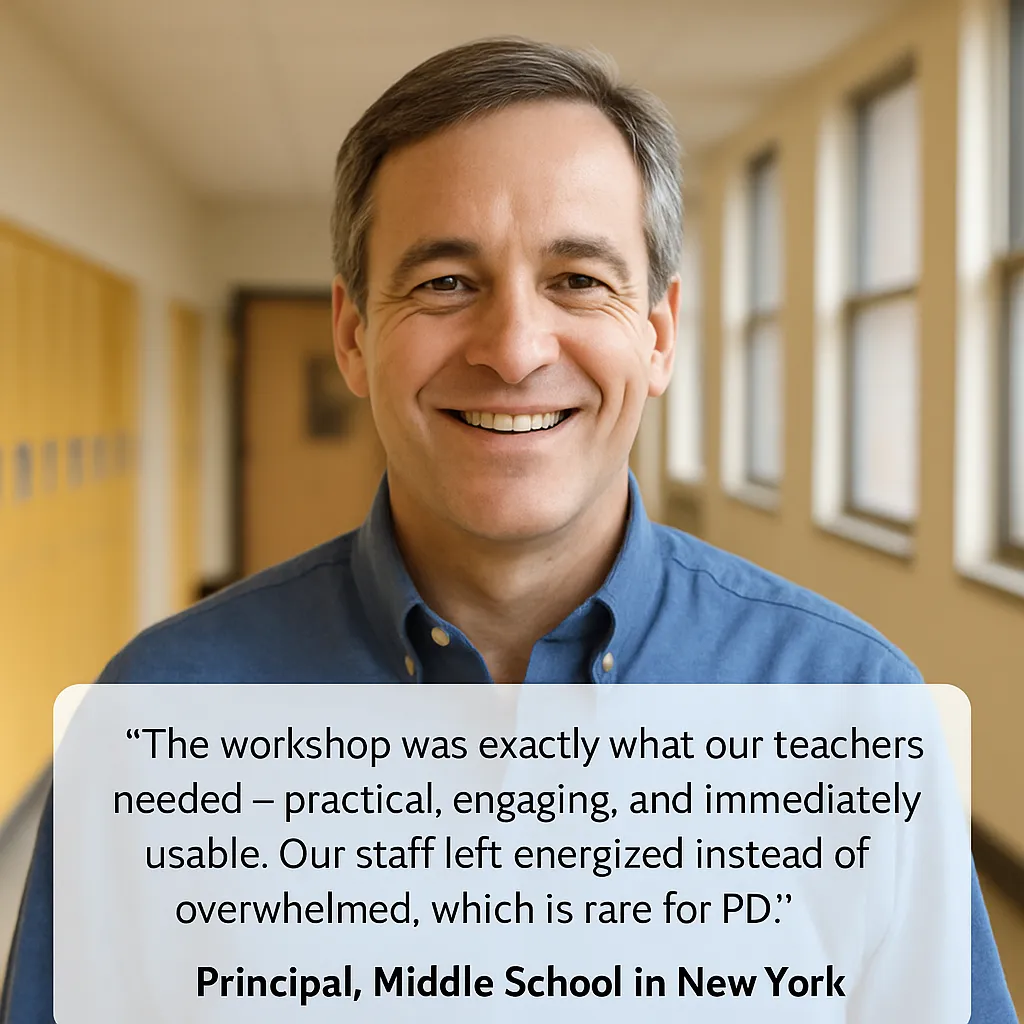

“The coaching gave me real strategies, not just theory.”
— New Teacher, Savannah
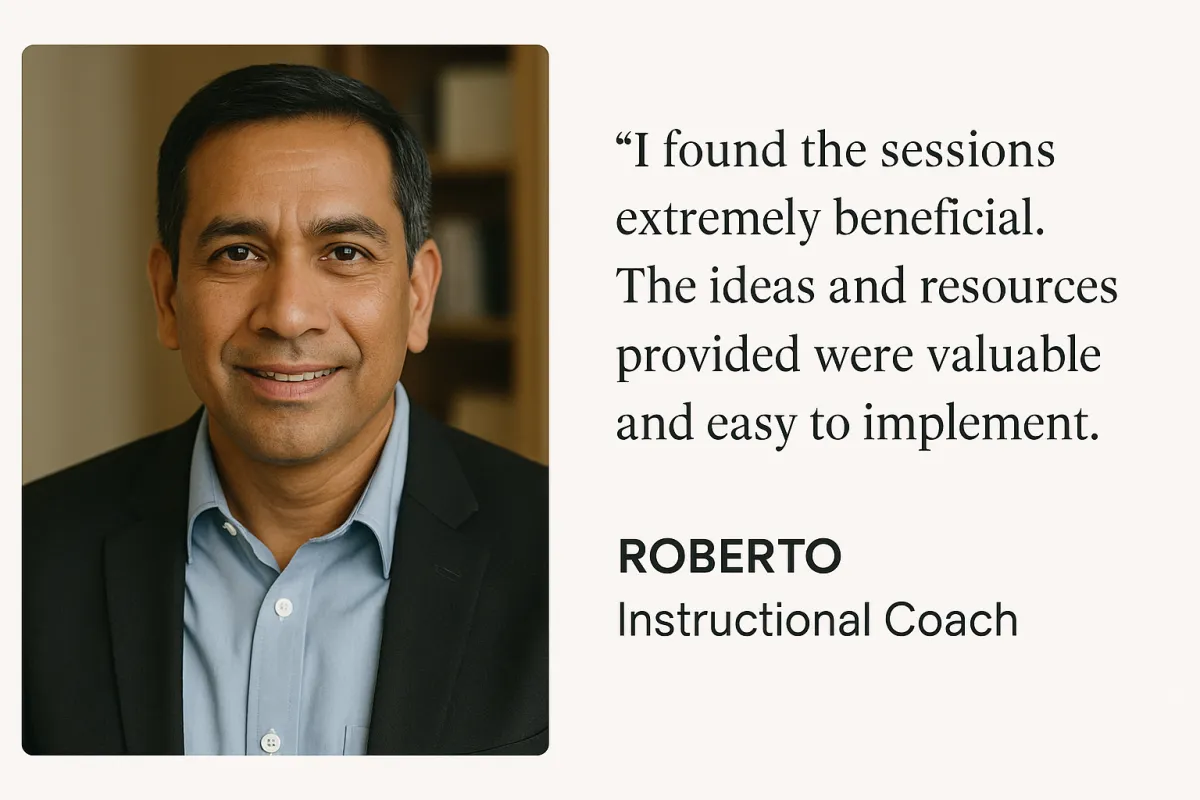

“Because of Dr. Washington, I now use more efficient techniques that allow my students to retain information and they are able to demonstrate these skills consistently.”
— Band Director, GA
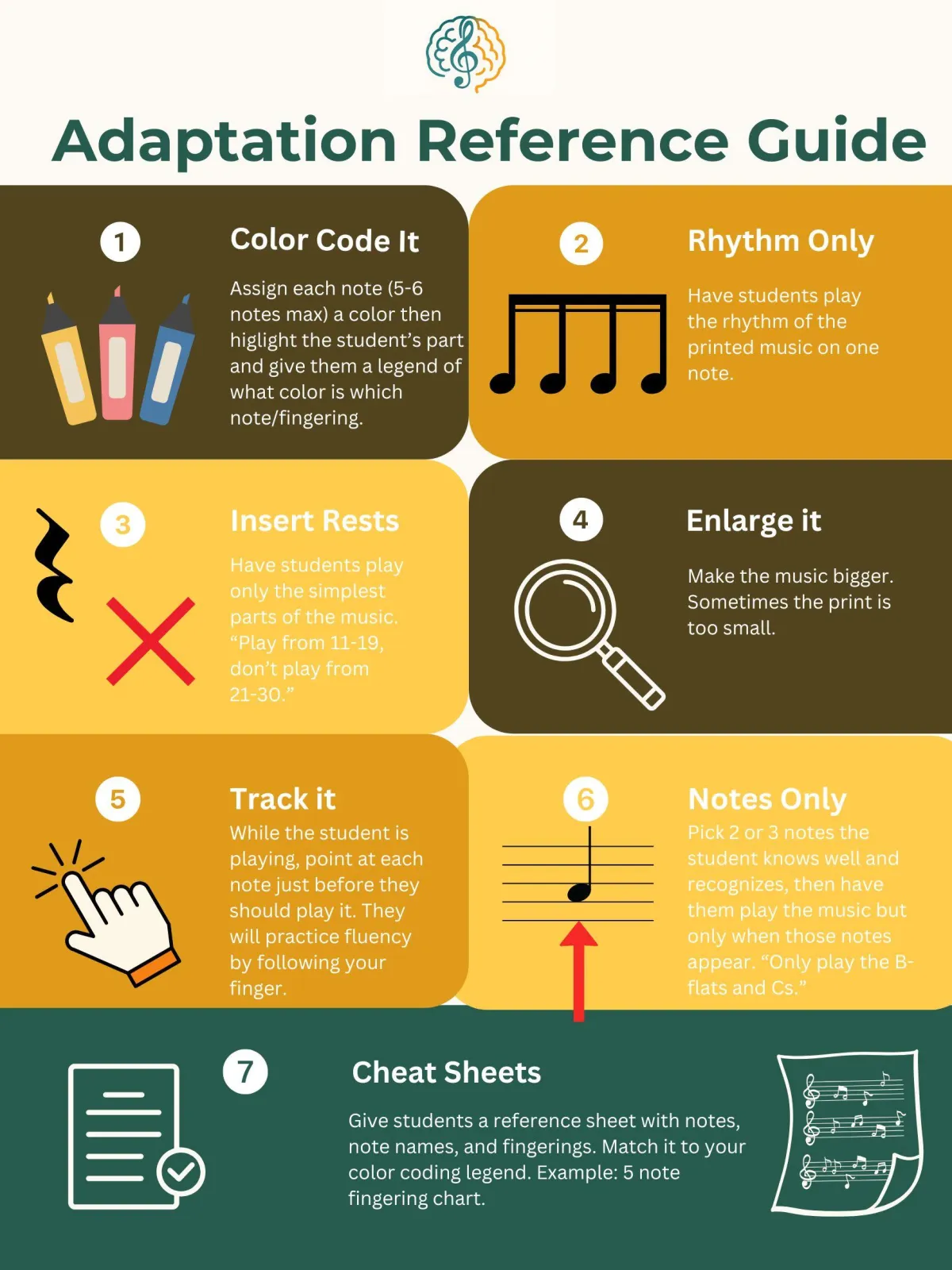
Quickstart Differentiation Guide for Inclusive Music Classrooms
Get Your Free Differentiation Guide!
Adapt your teaching without overhauling your entire program. This free guide gives you Tier 1 strategies you can implement this week.
What You'll Get:
✅ Practical differentiation techniques
✅ Tiered ensemble strategies
✅ Visual reference for planning support levels
Grace Notes
Embedding SEL in Inclusive Music Classrooms
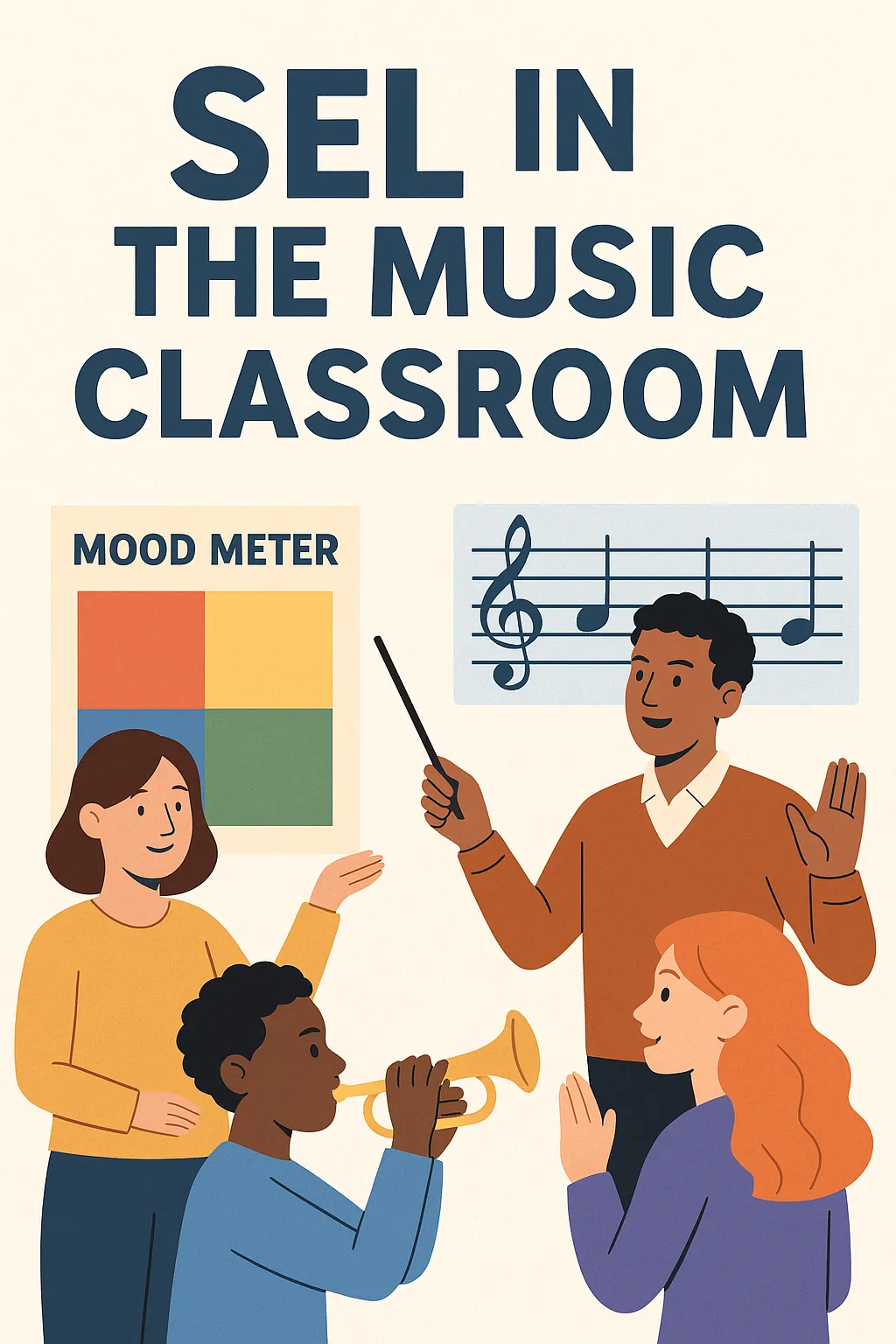
Embedding SEL in Inclusive Music Classrooms
Why this matters
Music class is already a social lab: risk, feedback, public performance. When students carry anxiety, sensory overload, or regulation hurdles, “just focus” is not a plan. Embedding social-emotional learning (SEL) inside instruction supports self-regulation and belonging while you protect musical rigor. Pair SEL with Universal Design for Learning (UDL) so access is designed in, not stapled on. CAST’s July 2024 UDL Guidelines 3.0 push us to remove systemic barriers and honor learner variability. UDL Guidelines
Core idea
Don’t fix the student; fix the design. Design multiple ways to enter tasks, rehearse safely, and show learning, then teach behavior like any other ensemble skill. ArtsEdSEL and Save The Music’s program documents how SEL embedded in music boosts identity, belonging and agency. Save The Music Foundation+1
Step-by-step strategies
1) Two-path warm-ups to lower the “start” friction
Post an entrance board with two equivalently rigorous warm-ups that hit the same target. Example for winds:
Path A: drone-supported long tones with crescendo/decrescendo;
Path B: lip-slur ladder with metronome.
Choice increases autonomy and on-task behavior without changing your musical goal. UDL calls this offering multiple means of action and expression. CAST
2) Micro SEL prompts that don’t eat your class time
Between warm-ups and lit, insert a 20–30 second prompt:
“Name one section strength, one growth target.”
“What emotion showed up when tempo increased?”
Brief reflection normalizes challenge and gives you fast formative data to adjust pacing.
3) Rotating peer roles that widen participation
Assign roles that keep reluctant players engaged:
Empathy Captain checks on a peer who hesitates.
Calm Cue Leader initiates a 20-second breath/stretch reset when requested.
Reflector closes rehearsal with one strength/one growth from the group.
Roles embed SEL into the musical task flow and increase equitable participation. Arts Ed NJ
4) “Stress inoculation” for the hardest passages
For that cursed measure 47:
Silent rehearsal: air-play or finger without sound.
15-second breath reset.
Two short reps at success tempo, then one at performance tempo.
Name the feeling that spiked, plus the cue that calmed it.
Students build tolerance for performance stress while you improve accuracy.
5) Teach behavior like content using PBIS tools
Classwide PBIS routines and CW-FIT have increased on-task behavior and improved teacher praise-to-reprimand ratios in music settings. Teach “Rehearsal Ready” as a skill, then use brief group contingencies and frequent, behavior-specific praise. Even outside formal CW-FIT, higher praise-to-reprimand ratios correlate with better on-task behavior. SAGE Journals+2SAGE Journals+2
6) Materials that remove barriers without dumbing down
Offer a second “view” of the hardest spots: larger font, boxed phrases, fingerings/solfege, or simplified rhythms that keep the musical target intact. That’s UDL: flexible methods, fixed goals. CAST
7) Assessment menus, constant criteria
Keep criteria stable (tone, rhythm, phrasing, ensemble awareness) while offering options: record a phrase, annotate a score image, conduct a section, or submit a concise practice reflection. UDL supports varied outputs toward shared objectives. CAST
Primary vs secondary adaptations
Primary: pictorial Mood Meter; one prompt per class; embed in singing games and movement.
Secondary: metacognitive prompts; rotating roles weekly; short journaling linked to specific measures.
Classroom vignette
In 7th-grade band, two students regularly froze during cut time. The director added a Mood Meter at entry, a 20-second “strength/growth” checkpoint, and a Calm Cue Leader. After two days, the section’s starts stabilized. Students named “rushed breathing” as the trigger; the fix was three slow counts before entries. Musical outcome improved because emotions got handled inside the rehearsal, not after.
“Try This Tomorrow” checklist
Post two warm-up paths toward one goal
Teach “Rehearsal Ready” and praise the first section to hit it
Insert one 30-second strength/growth prompt
Assign Reflector for closure
Create an alternate “view” for the hardest 8 bars