Inclusive Music Education That Works.
We help music educators and schools create accessible, high-performing music classrooms and ensembles through differentiated instruction, inclusive rehearsal strategies, and practical professional development—so every student can learn, play, and thrive.
About Modulating Minds
At Modulating Minds, we believe every student deserves the chance to make music—and every teacher deserves the tools to make that possible.
We partner with educators, administrators, and student musicians to build inclusive, accessible, and high-performing music classrooms. Our work focuses on helping teachers reach diverse and exceptional learners through differentiated instructional materials, practical professional development, and hands-on coaching.
From rehearsal clinics and resource design to full-scale professional learning programs, Modulating Minds provides real-world strategies for teaching special learners in musical spaces—without sacrificing musical excellence.
The goal is simple: to help schools create music programs where all students, regardless of ability level, can participate fully, learn deeply, and perform proudly.
Who We Help
Music educators are passionate, but they’re overwhelmed — expected to meet every learner’s needs with limited time, training, and support.
Modulating Minds bridges that gap with tools and training built for music classrooms, not adapted to them.
“Inclusive music education isn’t about lowering the bar — it’s about building a stage where every student can stand and play their part.”
Differentiated instructional materials
Inclusive rehearsal and classroom strategies
Professional learning for diverse student needs
Practical plug-and-play strategies for real music educators
Ongoing support for music educators and programs


Planning Period PD
Professional development that actually supports music teachers
Professional development that actually supports music teachers.
Through 10 interactive sessions and a 12-module self-paced course, educators learn how to differentiate instruction, manage diverse rehearsal rooms, and build inclusive classroom systems that last. Everything is designed to fit into a single planning period—no wasted time, just strategies that work.
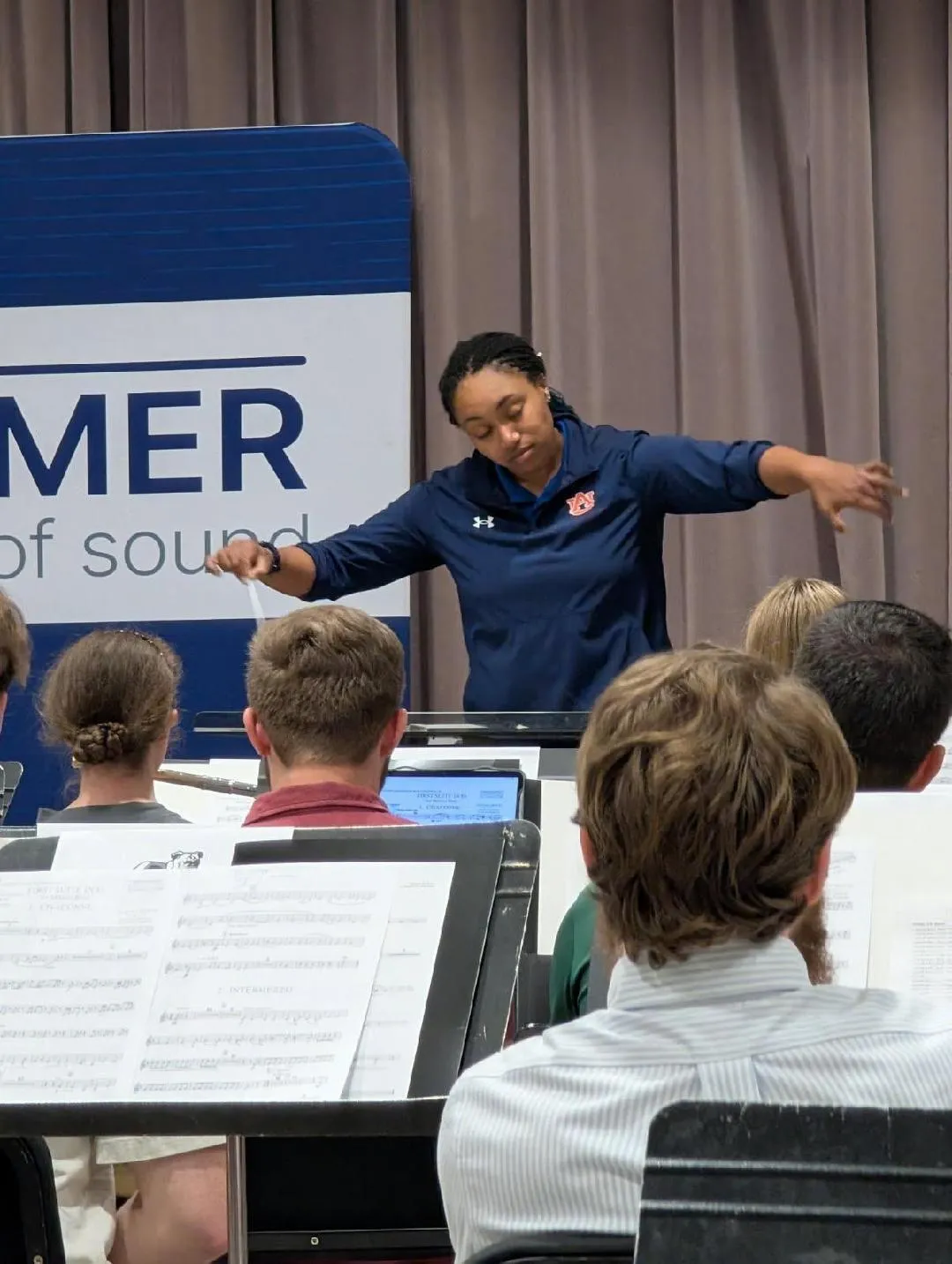
Rehearsal Clinics and Workshops
Hands-on Coaching to strengthen ensemble performance and support teacher development
Hands-on coaching for real classrooms and real results.
Our rehearsal labs and workshops bring evidence-based inclusion practices directly to your ensemble. We help teachers refine tone production, pacing, and student engagement while adapting instruction for every learner—so the music improves and everyone belongs on stage.
Curriculum and Resource Design
Accessible materials aligned to standards and the Universal Design for Learning
Accessible materials built for modern music classrooms.
We create differentiated unit plans, adaptive resources, and performance assessments aligned to UDL and state standards. Whether you need a single inclusive lesson or a full-year framework, we design resources that help every student succeed without watering down the artistry.
Testimonials
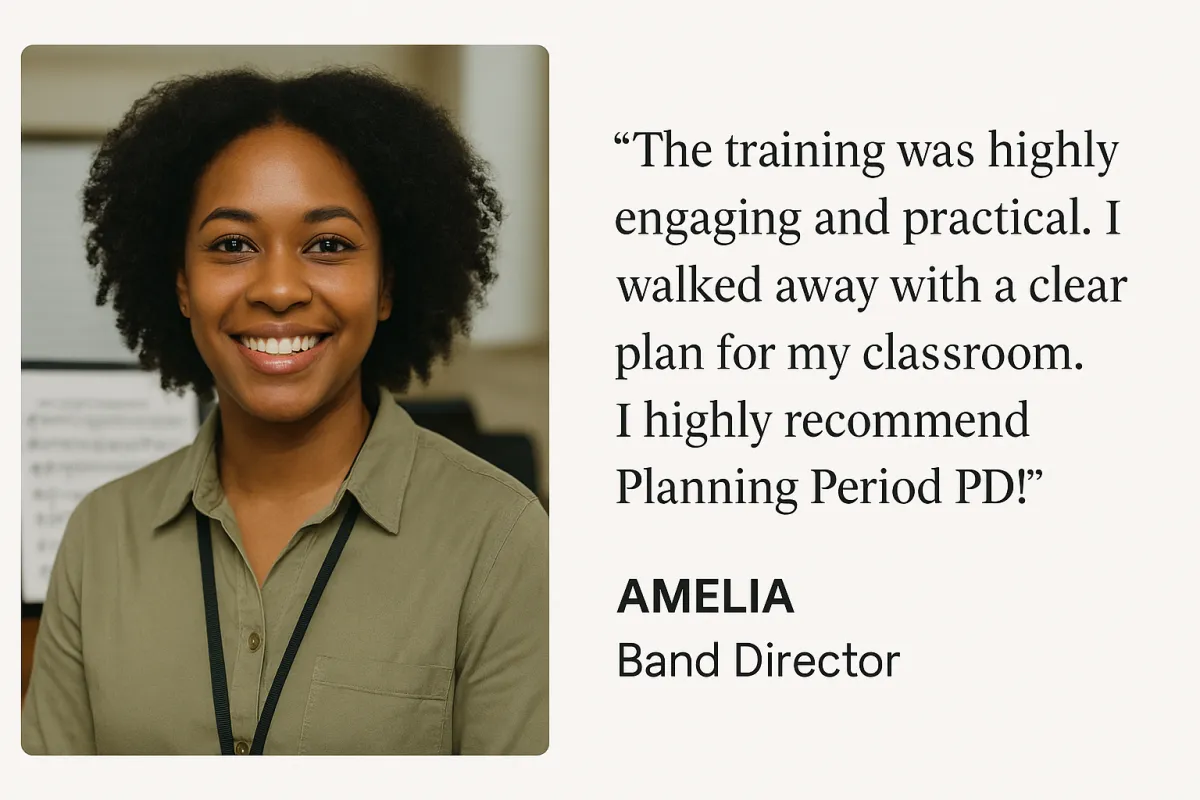

As a first-year teacher, I was feeling very overwhelmed, but her tips for classroom management and organization made such a huge difference. My classroom runs smoother, I feel more confident, and I’m not running on fumes every day. Honestly, I don’t know how I would’ve made it through my first year without her help
— Music Teacher, GA
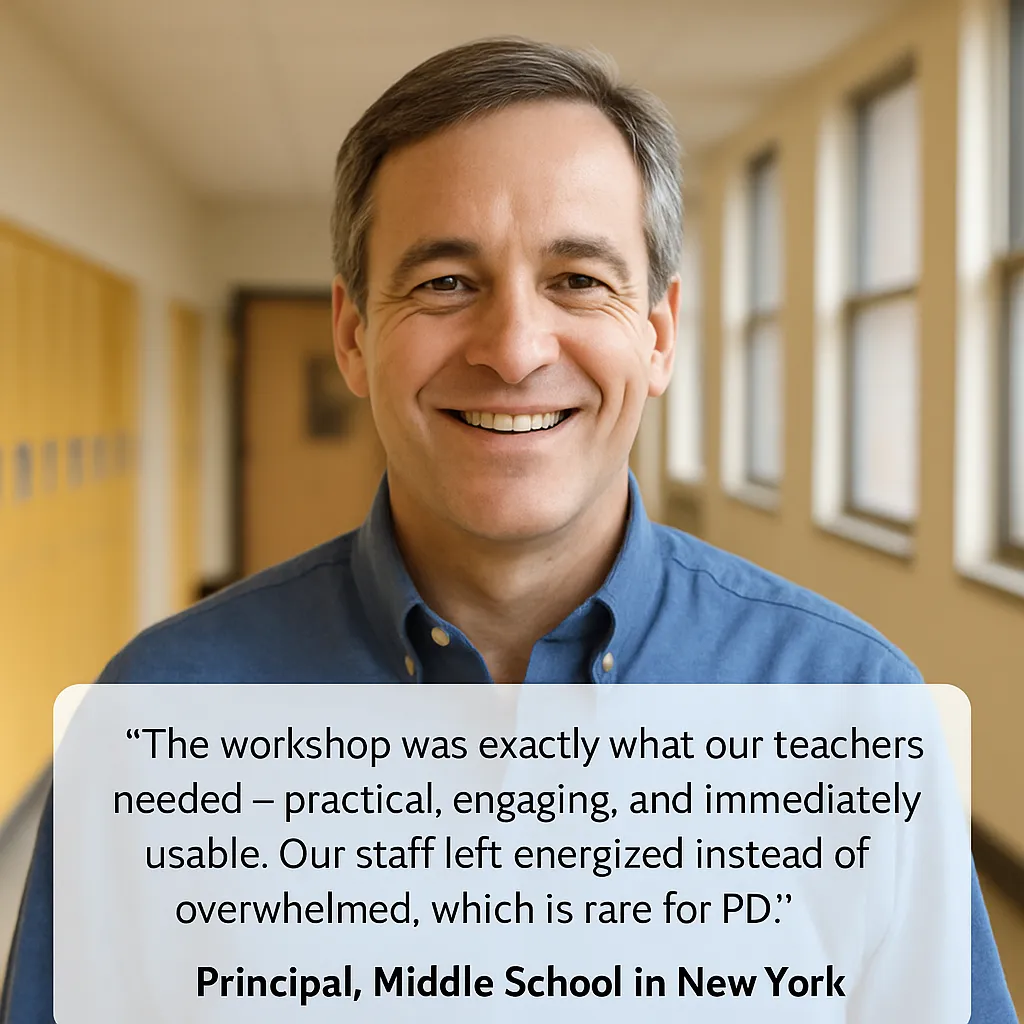

“The coaching gave me real strategies, not just theory.”
— New Teacher, Savannah
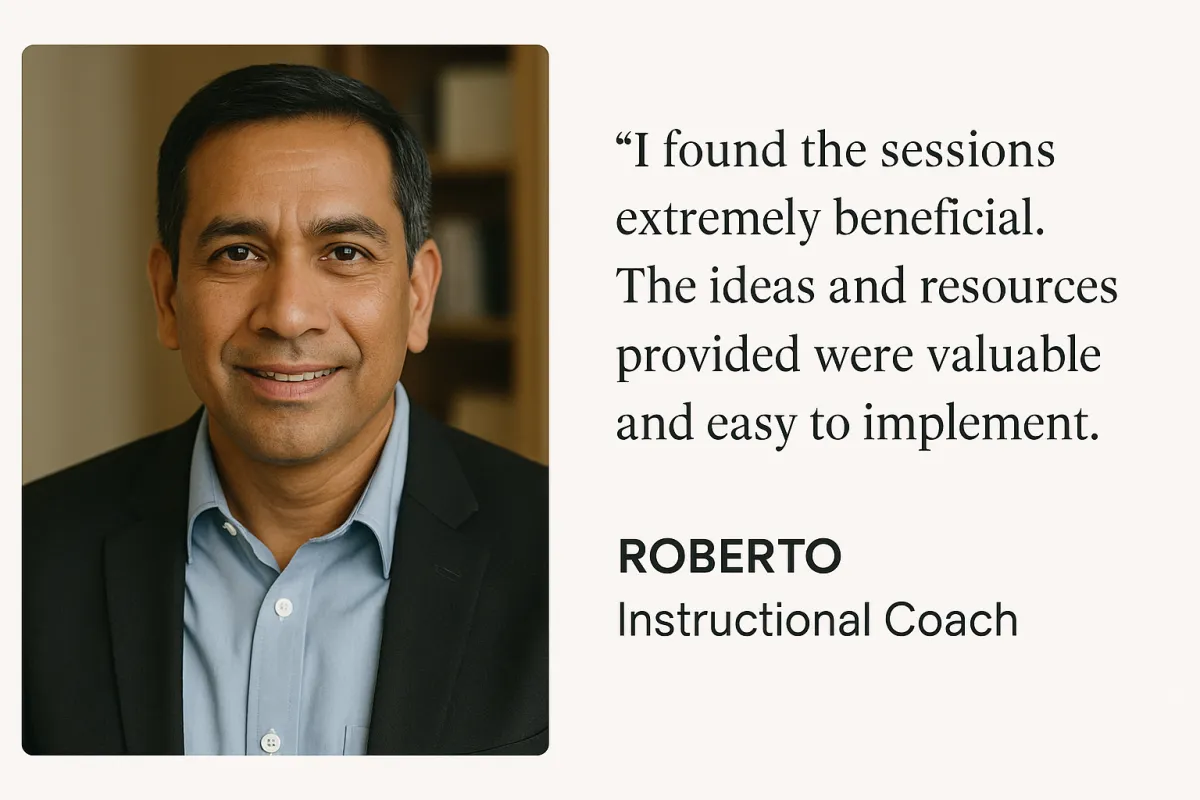

“Because of Dr. Washington, I now use more efficient techniques that allow my students to retain information and they are able to demonstrate these skills consistently.”
— Band Director, GA
Quickstart Differentiation Guide for Inclusive Music Classrooms
Get Your Free Differentiation Guide!
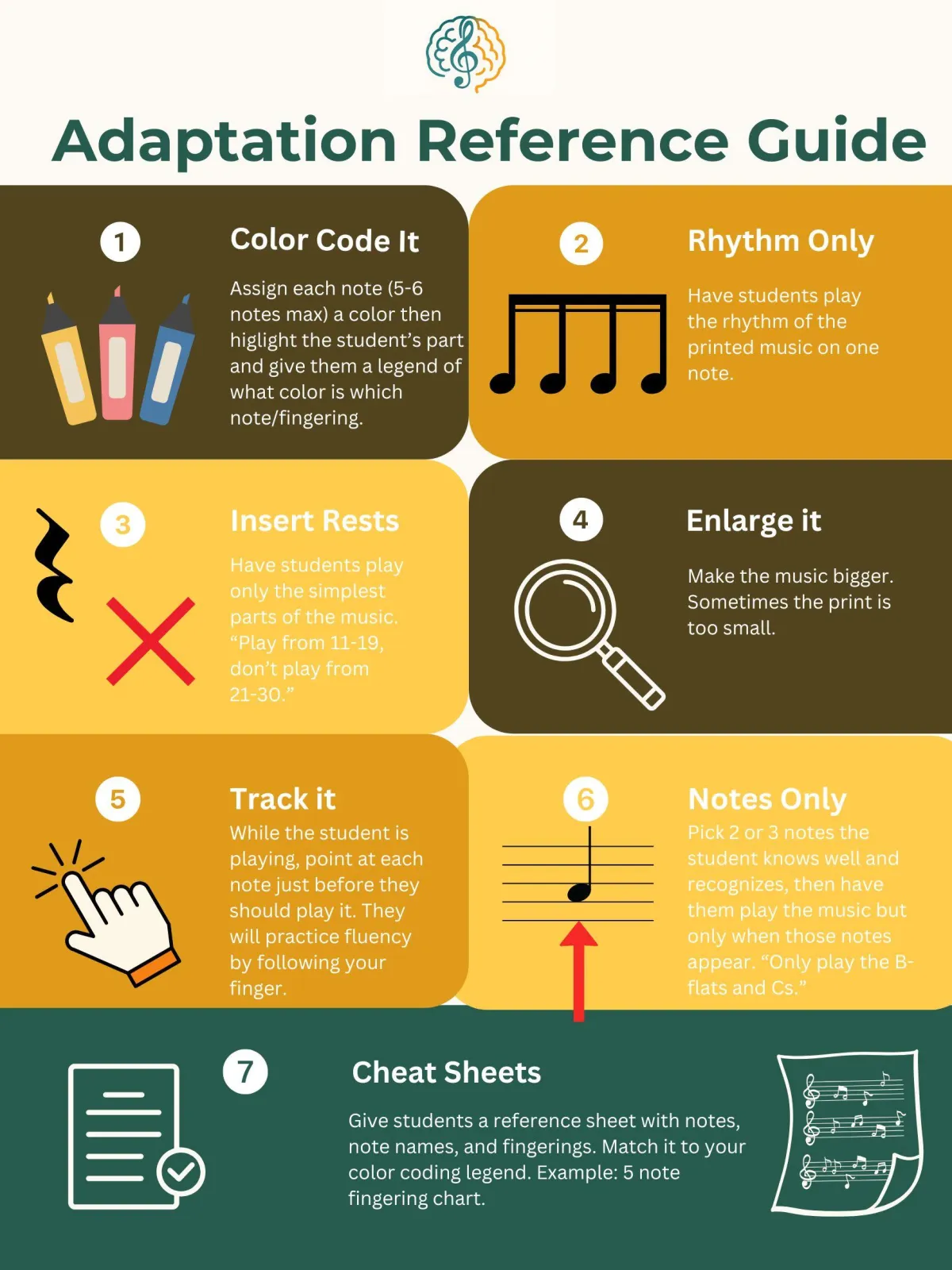
Adapt your teaching without overhauling your entire program. This free guide gives you Tier 1 strategies you can implement this week.
What You'll Get:
✅ Practical differentiation techniques
✅ Tiered ensemble strategies
✅ Visual reference for planning support levels
Grace Notes
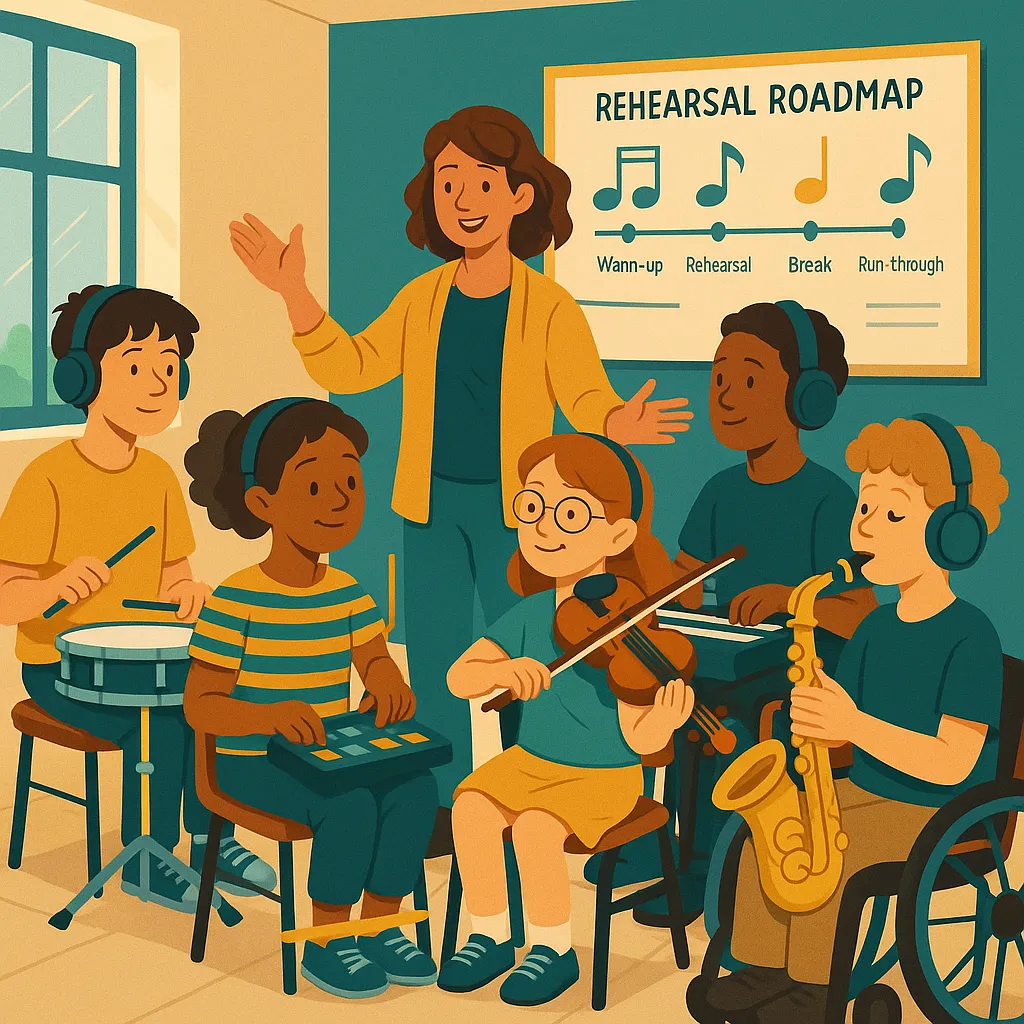
Designing Rehearsals that Include Every Musician
From Neurodiversity to Differentiation: Research-Backed Strategies for Inclusive Ensembles
When a rehearsal breaks down—students zoning out, sensory overload, behavior spikes—it’s rarely a student problem. It’s a design problem.
The good news: current research gives us practical, test-tomorrow strategies for making music spaces inclusive, neuro-friendly, and behavior-responsive without lowering the bar.
🎯 1. Shift From Control to Collaboration
LoopBoxes (Förster et al., 2023) and I-Ork (Mandanici et al., 2025) show what happens when we treat accessibility as a design parameter, not a retrofit.
When teachers and students co-design tools and rehearsal flow, participation and musical expression both increase.
Try This:
Prototype rehearsal routines with your students—ask where they get stuck or overstimulated.
Add modular roles: loop-builder, anchor, listener, mixer.
Keep setup under five minutes. Out-of-box usability equals inclusion.
“Plug-and-play accessibility is the new entry ticket for equity.” – Förster et al., 2023
🎧 2. Differentiate Like a Musician, Not a Math Teacher
Dr. Economidou Stavrou (2024) reminds us that differentiation in music doesn’t mean twelve worksheets—it means musical pathways.
Vary content (melody vs harmony vs rhythm), process (sing / play / move), product (performance / recording / composition), and environment (lighting / seating / break cues).
Do This Tomorrow:
Offer two difficulty levels for each phrase.
Let students choose how to demonstrate mastery (recording, live, peer feedback).
Use flexible grouping—rotate “expert” and “apprentice” roles weekly.
🧠 3. Rehearsal as Regulation
Inclusive classrooms aren’t quiet because students are compliant—they’re engaged.
Research from Mommo (2025) and Daněk (2024) highlights that predictable pacing, multimodal tasks, and peer scaffolds reduce behavior issues and anxiety.
Quick Wins:
Post a visual schedule.
Insert 30-second sensory breaks.
Add a “quiet station” or ear defender option.
Build reflection into transitions: “What helped you stay focused? What threw you off?”
💻 4. Tech That Levels the Stage
Studies by Ma & Wang (2025) and Di Paolo & Todino (2025) show that assistive and adaptive technologies only increase inclusion when coupled with strong pedagogy and teacher training.
Checklist:
Choose multimodal tools (audio + visual + haptic).
Train everyone—normalize assistive tech so it’s not stigmatized.
Maintain analog backups for tech failures.
Collect feedback data: who engages more after each tech change?
🌏 5. Inclusion Is a Culture, Not a Setting
Chiba (2025) found that teachers define inclusion through four lenses—placement, needs, access, and community—and that the last one is the game-changer.
Inclusion isn’t a seat; it’s a sense of belonging.
Try This:
Co-write ensemble norms with students.
Audit language: are your part labels and attire expectations gendered?
Track belonging as seriously as intonation—use short “inclusion pulse checks.”
🎶 Why It Matters
McGuire (2023) showed that teachers’ confidence skyrockets after hands-on exposure to adaptive materials.
When we model inclusion through daily rehearsal design—tiered parts, flexible pacing, sensory supports—we show students that diversity in learning is expected, not exceptional.
Inclusive rehearsal design isn’t extra work; it’s better musicianship.
Because when every brain can access the music, the ensemble sounds—and feels—better.
🧩 Try This Tomorrow
Post a visual rehearsal map before class.
Offer two levels of a phrase.
Add a 30-second sensory pause mid-run.
Create one quiet/sensory-friendly zone.
Add a short reflection question to exit tickets.
🔗 References (APA 7)
Chiba, M. (2025). Understandings of inclusivity in music education. Journal of Music Education. Taylor & Francis.
Daněk, A. (2024). Inclusive music education: Opportunities for children with special educational needs. AD ALTA Journal of Interdisciplinary Research, 14(1), 41-45.
Economidou Stavrou, N. (2024). Embracing diversity through differentiated instruction in music education. Frontiers in Education, 9, 1501354.
Förster, A., Uhde, A., Komesker, M., Komesker, C., & Schmidt, I. (2023). LoopBoxes – Evaluation of a Collaborative Accessible Digital Musical Instrument. arXiv.
Ma, Y., & Wang, C. (2025). Empowering music education with technology: A bibliometric perspective. Humanities and Social Sciences Communications, 12, 345.
Mandanici, M., Bergamino, G., & Valente, S. (2025). The I-Ork project: A technological approach to inclusive music making and therapy. Frontiers in Education, 10, 1552302.
McGuire, K. R. (2023). Elementary music teachers’ knowledge and attitudes toward adaptive materials for students with disabilities: An exploratory study. Texas Music Education Research, 47-64.